Go on the offensive against OCD
Many people have played by OCD’s rules for far too long. The aim is not to defend against OCD more effectively, but to change the game and go on the offensive.
Clinical knowledge
Read about OCD and treatment in clinical articles, blog posts and research updates.
Many people have played by OCD’s rules for far too long. The aim is not to defend against OCD more effectively, but to change the game and go on the offensive.
An international study shows that unwanted intrusive thoughts occur across cultures. This research news item separates the study findings from the OCD specialist’s clinical perspective.
Acceptance in OCD treatment is not about accepting what an obsession says. It is about meeting the thought in a way that stops OCD from deciding what happens next.
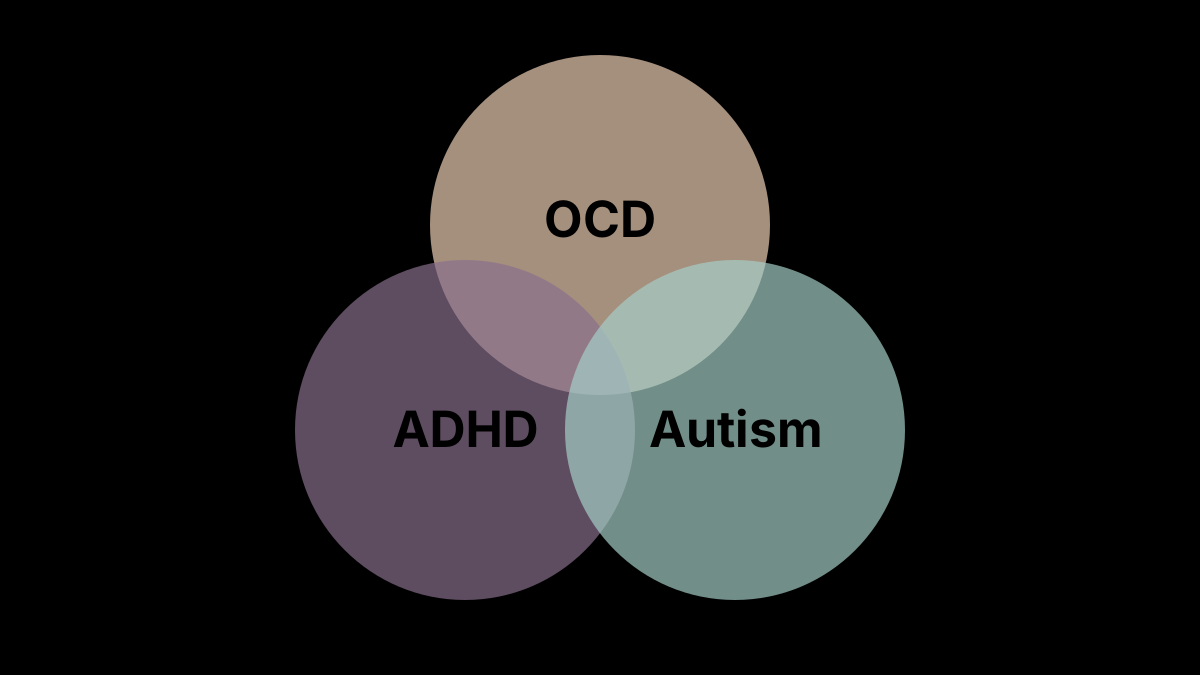
When OCD appears alongside signs of ADHD or autism, the picture can become unclear. This article explains differences, overlap and signs that something more than OCD may be involved.
What is interesting about OCD, overthinking and social anxiety is not simply that they often occur together. They can share the same underlying mechanism: an attempt to achieve certainty through thought, analysis and control.
What matters is not how uncomfortable an exposure can be made, but whether it is carefully targeted and helps break the OCD cycle rather than becoming part of it.
About guilt, stress and vulnerability, the role of relatives and the right to a life alongside OCD.
In the Jensen family, OCD's demands extend to a sibling's life, the parents' sleep and work, and the family's ability to spend time together.
OCD often thrives in seriousness, heaviness and narrowing of life. This article looks at how mood, engagement and positive activity can create better conditions for change.
Doubt is central to many OCD patterns. This article explains how irrational doubt can be given unhelpful meaning and become difficult to leave alone.
Part two focuses on basic assumptions and rules for living: the underlying patterns that can limit psychological wellbeing and maintain difficult reactions.
Can we learn to think differently and thereby change how we feel and act? Part one introduces the connection between situations, thoughts, feelings and actions.
Meet Sandra, Søren and Karsten in three cases involving sexual obsessions, checking bodily reactions, rumination and avoidance.
Meet Bente, Peter and Lis in three cases involving dirt and contamination, order and symmetry, and checking behaviour.
When thoughts are internalised, they can start to feel as though they say something fundamental about who a person is. This article uses an example to show how the process can maintain OCD.
Lærke Yssing reflects on her first encounters with OCD and uses her own fear of spiders to make the anxiety involved easier to understand.
Many people with OCD struggle both with the symptoms and with shame about their thoughts or about having OCD. Shame can add to the burden and make it harder to seek help.
When OCD feels like part of the self, it can become hard to act freely. This article explains externalisation as a way to step back from OCD’s demands and stories.
Nikolaj talks about being Laura's partner and about how OCD affects their life at home. The interview shows how knowledge and practical tools can change the way a couple manages OCD at home.
This personal article gives an up-close view of life with OCD: checking rituals, exposure exercises, support and the small steps that can gradually change everyday life.
This article introduces key elements of cognitive behavioural therapy for OCD: automatic thoughts, psychoeducation, exposure and response prevention.
Thoughts, feelings, bodily reactions and actions influence one another. This article shows how the anxiety system can help explain the many ways OCD presents.
OCD can be understood as an interaction between vulnerability, interpretations, distress and compulsions. This article explains the cognitive behavioural model of OCD.
When OCD changes theme, it can feel like something new and more serious. This article explains symptom shifting, and why new thoughts can still be OCD.
OCD around childbirth can involve frightening, unwanted thoughts. This article explains why the distress is often misunderstood, overlooked or kept hidden.
OCD is more than handwashing. Through concrete examples, this article shows how mental rituals can briefly reduce discomfort while maintaining OCD.
OCD can become a hidden disorder when obsessions target what a person feels most ashamed of. This article explains why hidden obsessions do not reveal the person’s values.
When family members help with rituals, reassurance or avoidance, their help can become part of the OCD pattern. This article explains how support can be changed gradually.